“Hajj Is Arafah” The Day Islam Reaches Its Peak
Why the Day of Arafah is considered the most important day of the year
There is one day in the Islamic calendar so important that the Prophet Muhammad ﷺ summarized the entire pilgrimage in a single sentence:
“Hajj is Arafah.”
Not Tawaf.
Not Mina.
Not the sacrifice.
Arafah.
Because this is the heart of Hajj.
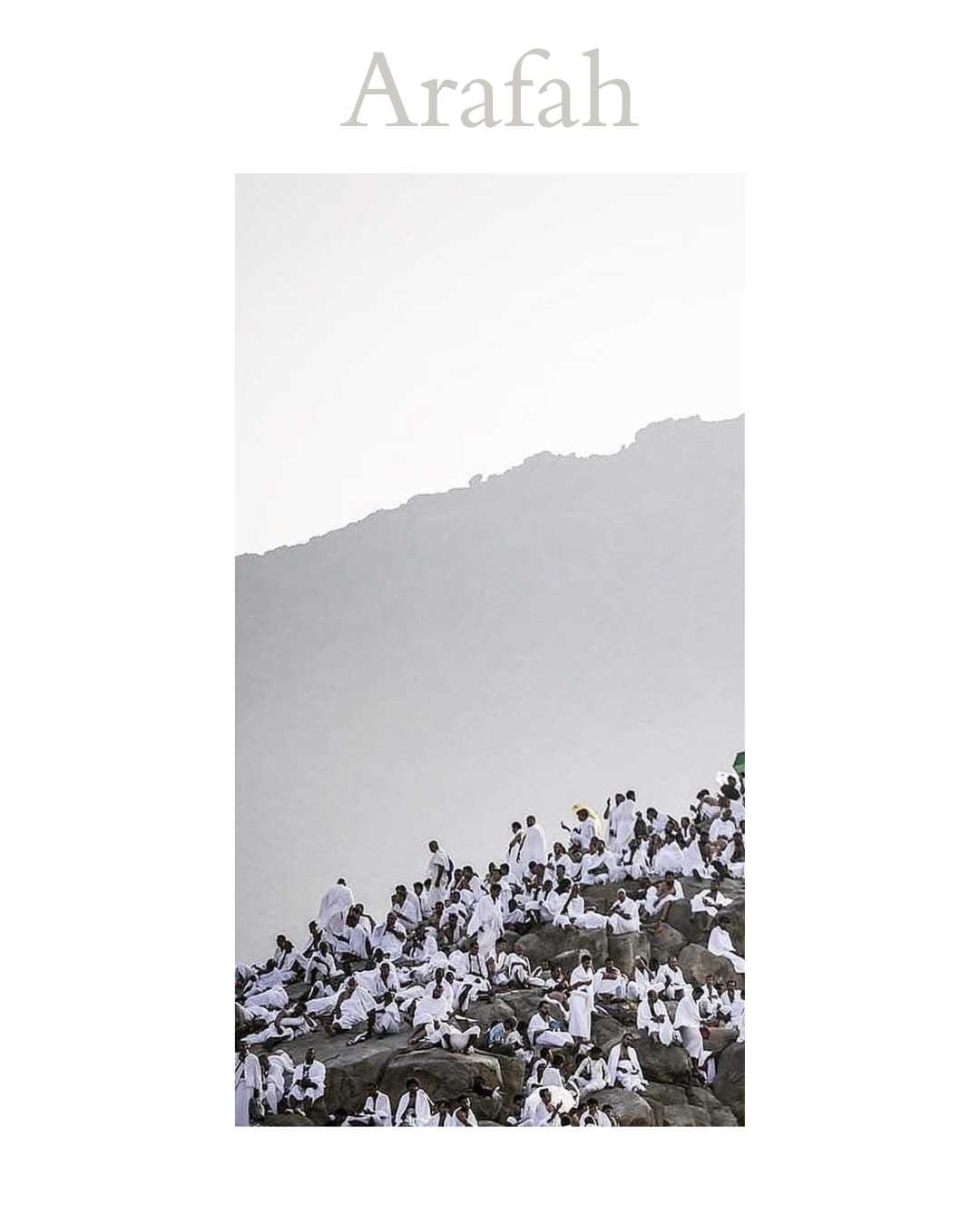
The moment where more than 1.5 million pilgrims stand together on one plain near Makkah, leaving behind titles, wealth, appearance, nationality, and status, answering one call only:
the call of Allah ﷻ.
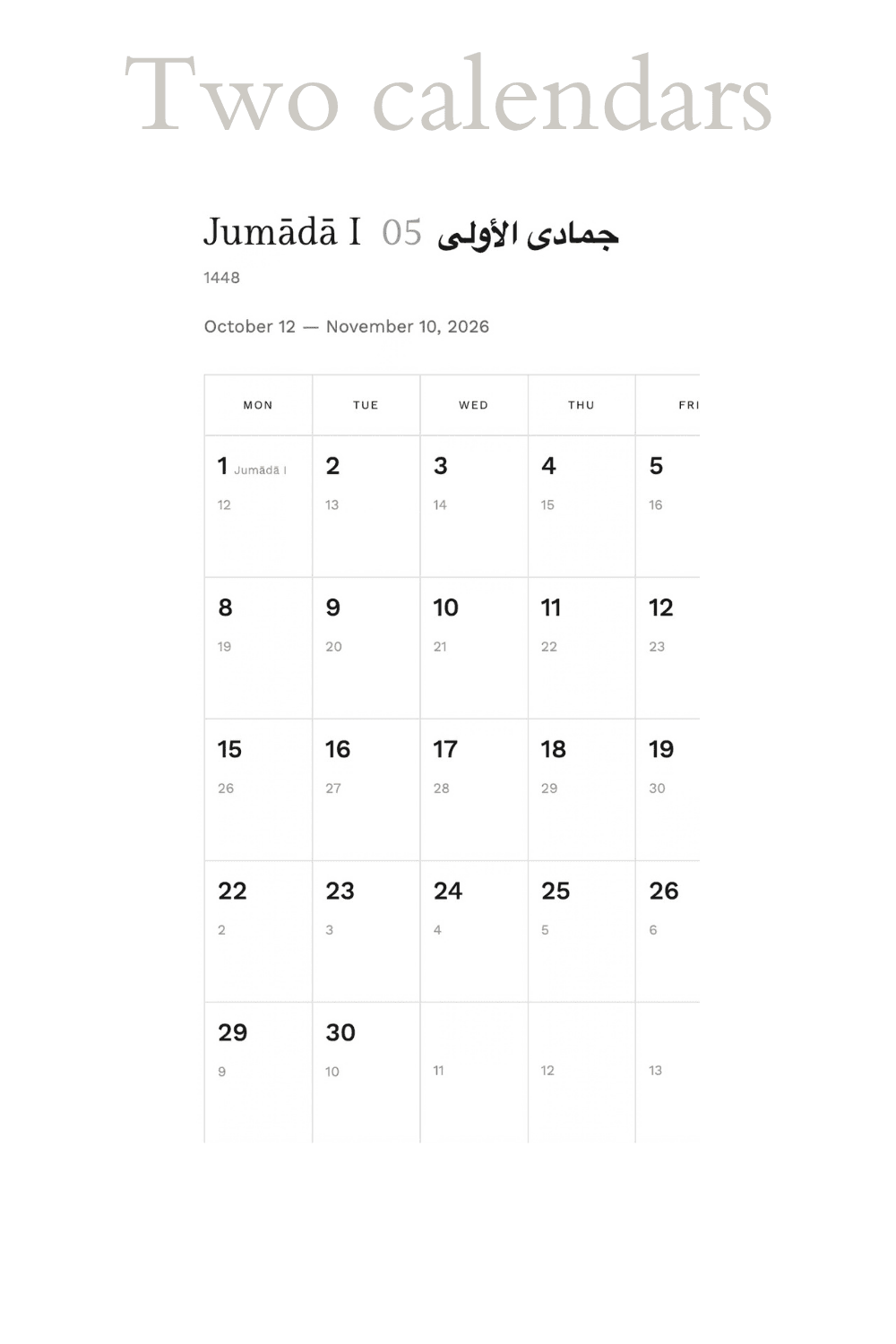
And what makes this moment even more extraordinary is that Hajj can only take place during a precise sacred window every year:
the first ten days of Dhul Hijjah, the twelfth and final month of the Islamic calendar.
Outside of this period, Hajj cannot be performed.
This is why these days carry such immense significance in Islam.
And at the center of them stands one day above all others:
the Day of Arafah.
The ninth day of Dhul Hijjah.
For many scholars, the most important day of the entire year.
And the day after comes the second major celebration in Islam:
Eid al-Adha, the Eid of sacrifice, remembrance, generosity, and the legacy of Prophet Ibrahim عليه السلام and his son.
The Mountain of Return
Arafah is not only a plain near Makkah.
It is a place filled with memory.
In Islamic tradition, many scholars and narrations connect this land to the moment when Adam عليه السلام and Hawwa عليها السلام met again on earth after leaving Paradise.
A place of reunion after separation.
A place of forgiveness after error.
A place of return after exile.
And perhaps this symbolism explains why Arafah remains so deeply associated with repentance and mercy in the hearts of Muslims.
This land also carries another immense moment in Islamic history.
It is on Arafah that the Prophet Muhammad ﷺ delivered his Farewell Sermon during his final pilgrimage.
A sermon about:
- justice
- human dignity
- equality
- rights
- responsibility
- and the sacred value of human life
Standing before thousands of companions, the Prophet ﷺ transmitted one final message to the Ummah before the completion of his mission.
And every year since then, millions continue to return to this same place.
As if Arafah itself became a geography of remembrance.
And this year, Arafah carries another extraordinary sign.
During the Day of Arafah, the sun itself aligns directly above the Kaaba — a rare astronomical phenomenon that coincides with this sacred day only once every few decades.
At the precise moment of alignment, shadows around the Kaaba almost completely disappear.
A moment where direction, light, time, and sacred geography converge together.
For centuries, Muslims have also used this phenomenon to determine the qibla, the direction of prayer toward Makkah, simply through the position of the sun.
And perhaps there is something deeply symbolic in this coincidence.
On the very day millions of souls seek alignment with Allah ﷻ, even the sky appears aligned with the center of Islamic worship.
The Day Humanity Returns to Its Essence
Arafah is not built around spectacle.
It is built around du’a.
Around repentance.
Around humility.
Around return.
Pilgrims stand for hours facing Allah ﷻ with raised hands, asking, crying, remembering, hoping.
And what is extraordinary is that this moment follows directly the example of the Prophet Muhammad ﷺ himself.
During his Farewell Pilgrimage, the Prophet ﷺ remained in du’a from after Asr until Maghrib.
Without interruption.
The companions watched him continuously invoking Allah ﷻ.
Even Sayyidah Fatimah رضي الله عنها witnessed these moments.
Some companions wondered whether he was fasting because of the intensity and length of his worship.
But the essence of that day was not hunger.
It was presence.
Complete presence before Allah ﷻ.
The Day Allah ﷻ Boasts About His Servants
And perhaps one of the most moving dimensions of Arafah is what happens beyond human sight.
The Prophet Muhammad ﷺ taught that on the Day of Arafah, Allah ﷻ draws near and boasts to the angels about His servants.
He says:
“Look at My servants. They have come to Me disheveled and dusty.”
Millions of human beings standing under the sun with nothing to offer Allah ﷻ except sincerity, exhaustion, tears, and hope.
And Allah ﷻ presents them to the angels as witnesses of devotion.
This is one of the most extraordinary images in Islam:
not power, not domination, not wealth
but servants returning to their Lord.
There is no ethnicity there.
No social class.
No nationality.
No race.
No title.
No celebrity.
No king above another servant.
Only human beings answering the call of their Creator.
In Islam, Muslims often say that no one truly goes to Hajj or Umrah by their own power alone.
You go because Allah ﷻ invited you.
This is why pilgrims are called:
the guests of Allah ﷻ.
And perhaps this is one of the most moving realities of Arafah,
millions of souls, from every continent, language, age, and background, gathered in the same place for one reason only:
love of Allah ﷻ.
And they are dressed almost entirely in white.
Simple garments.
Without ornament.
Without visible status.
Without distinction between rich and poor.
The clothing of Hajj resembles the kafan in Islam, the white cloth in which Muslims are buried.
A powerful reminder that before Allah ﷻ, every human being returns stripped of titles, possessions, and ego.
But Hajj is not only a reminder of death.
It is also a rebirth.
A new beginning.
A purification.
A return to the essential.
As if millions of people stand on Arafah between two worlds:
the life they carried before,
and the one they hope to return to after forgiveness.
A Day for the Entire Muslim World
Even Muslims who are not physically in Makkah participate spiritually in this day.
Many fast.
Many spend the day in du’a and remembrance.
Many reorganize their hearts.
The Prophet ﷺ said about fasting the Day of Arafah:
“It expiates the sins of the previous year and the coming year.”
— Sahih Muslim
And perhaps this reveals something profound about Islam:
Even when you are not physically present in Makkah, Allah ﷻ still opens a door for you to participate in the mercy descending that day.
The Day of Forgiveness
Arafah is deeply connected to mercy.
The Prophet ﷺ said there is no day on which Allah ﷻ frees more people from the Fire than the Day of Arafah.
This is why Muslims across the world spend this day asking:
- forgiveness
- guidance
- healing
- clarity
- protection
- provision
- sincerity
- peace
Not only for themselves.
But for their families, their communities, and the entire Ummah.
The Most Powerful Du’a of This Day
The Prophet Muhammad ﷺ said:
“The best du’a is the du’a of the Day of Arafah.”
And among the greatest invocations repeated on this day is:
Lā ilāha illa Allah, waḥdahu lā sharīka lah, lahul-mulk wa lahul-ḥamd wa huwa ‘alā kulli shay’in qadīr.
There is no god except Allah ﷻ alone, without partner. To Him belongs all dominion and all praise, and He has power over all things.
A sentence simple in appearance.
But immense in meaning.
Because Arafah is ultimately about this:
remembering who Allah ﷻ is,
and remembering who we are before Him.
More Than a Ritual
For non-Muslims observing this moment from outside, Arafah helps reveal something essential about Islam.
At the center of one of the largest annual gatherings on earth, there is no concert, no performance, no entertainment.
There is du’a.
Silence.
Tears.
Repentance.
Hope.
Millions of people standing in humility before their Creator.
And perhaps this is why Arafah continues to move hearts across centuries.
Because in a world obsessed with performance, Arafah reminds humanity of something deeper:
the soul also needs to return.
Today Is the Day
If you are reading this during Arafah, do not let the hours pass carelessly.
Make du’a.
For yourself.
For your parents.
For the people you love.
For the oppressed.
For the Muslim world.
For your future.
For your akhirah.
And even if your words feel imperfect, speak to Allah ﷻ.
Because this day is not about perfection.
It is about return.