The night is the beginning of the day
Ramadan does not begin at midnight. It does not begin on a fixed Gregorian date. And it does not begin simultaneously across every Muslim country.
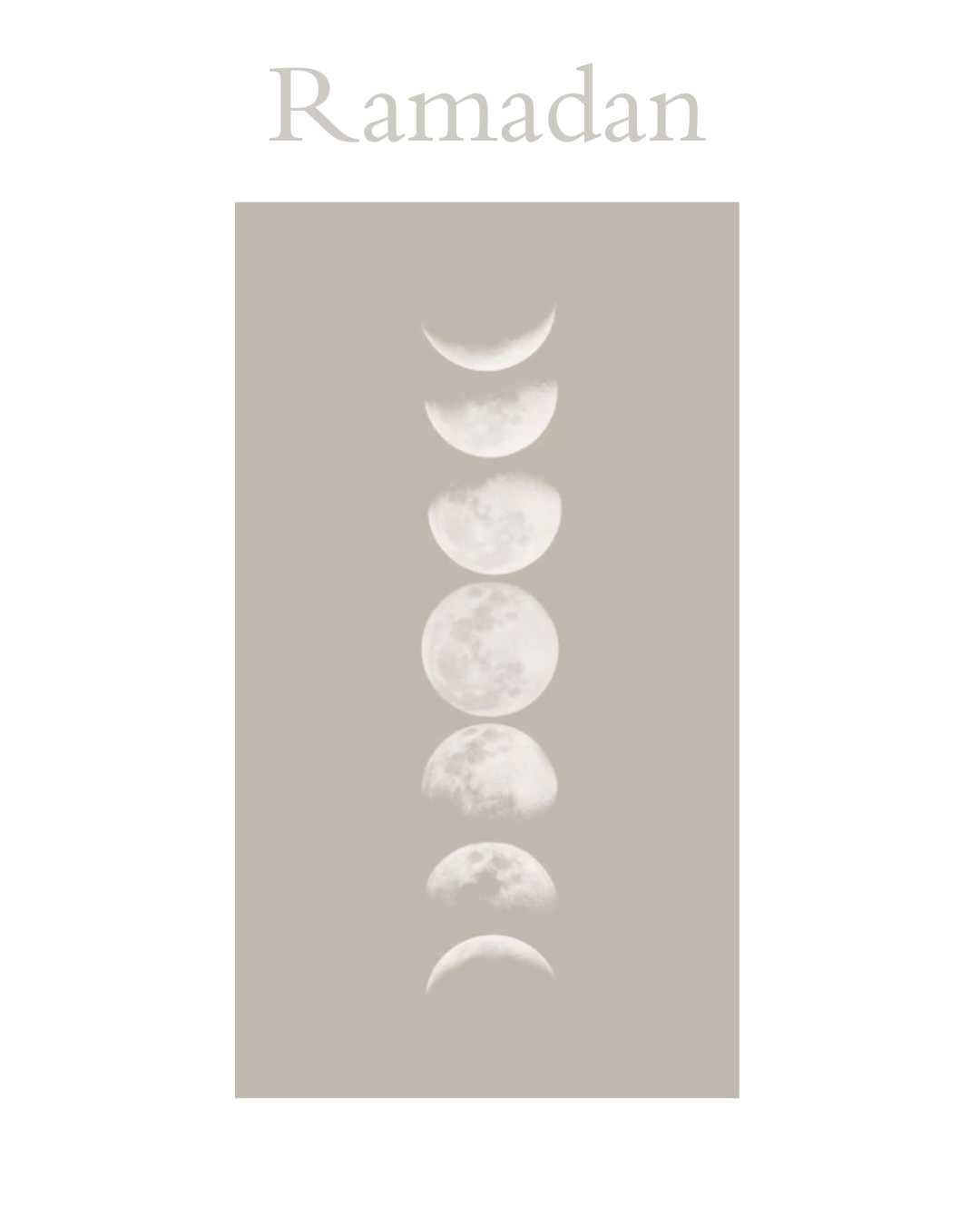
Ramadan begins at sunset, with the confirmed sighting of the new crescent moon marking the ninth month of the Islamic lunar calendar. From that moment — Maghrib — sacred time begins.
Understanding when Ramadan starts is not a minor technical detail. It reveals how Islam structures time itself: by the moon rather than the sun, by revelation rather than by fiscal quarters, by sacred rhythm rather than by mechanical clocks. The Qur’an anchors this clearly:
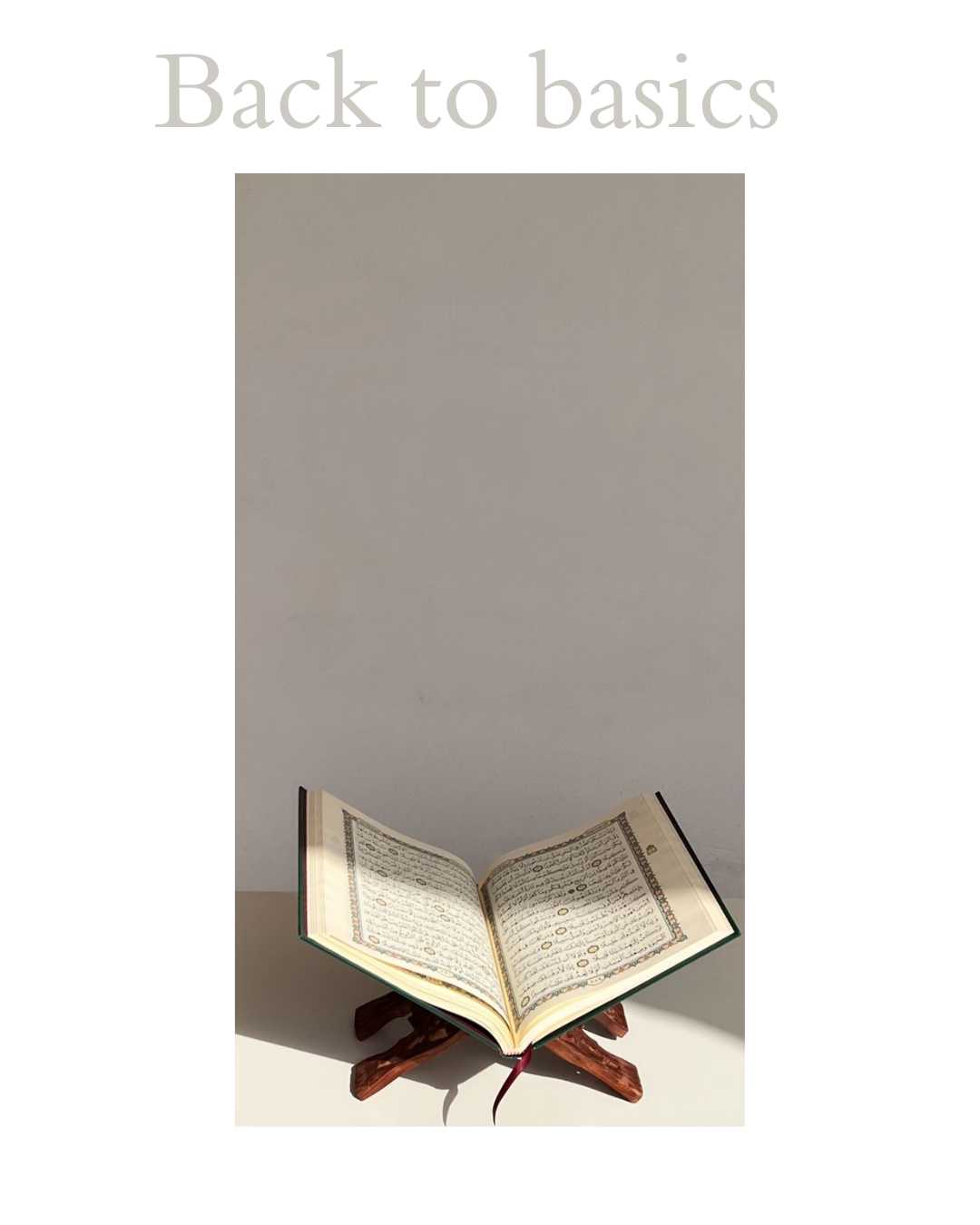
“The month of Ramadan is that in which the Qur’an was revealed as guidance for humanity, clear proofs of guidance and criterion.”
Surah Al-Baqara (2) verse 185
Ramadan is not merely a fasting period. It is a civilizational recalibration rooted in revelation, a return to the moment when a word descended in a cave and reshaped history.
The Islamic Lunar Calendar: Why Ramadan Moves Every Year
Islam operates on a lunar calendar composed of twelve months of 29 or 30 days. A full lunar year totals approximately 354 days — about 10–11 days shorter than the Gregorian solar year.
Because of this structure:
- Ramadan shifts earlier each Gregorian year.
- Over roughly 33 years, it rotates through all seasons.
This rotation ensures universality. No community permanently fasts in ease. No community permanently fasts in hardship. The experience moves across climates, daylight lengths, and generations.
The Qur’an establishes the celestial foundation of this system:
“They ask you about the new moons. Say: They are measurements of time for people and for Hajj.”
Surah Al-Baqara (2) verse 189
In Islam, the moon is not ornamental.
It is juridical.
It structures worship, pilgrimage, and communal rhythm.
Why Ramadan Begins at Sunset
In the Islamic calendar, the day begins at sunset, not at midnight.
This explains why Ramadan appears to “begin at night.”
For Muslims:
- The 1st of Ramadan begins at Maghrib.
- The fast begins at dawn (Fajr).
- Laylat al-Qadr begins at sunset.
- Eid al-Fitr begins at sunset of the preceding evening.
The transition of the sun marks entry into sacred time.
This cosmology reflects a rhythm rooted in natural cycles rather than mechanical precision. Understanding this distinction clarifies how Islamic time differs fundamentally from the Gregorian framework.
Why Muslims Do Not Always Start on the Same Day
Each year, some countries begin fasting a day earlier than others. This variation often generates confusion or disappointment.
The reason lies in jurisprudential methodology, not fragmentation.
The beginning of Ramadan is tied directly to Prophetic instruction.
The Prophet Muhammad ﷺ said:
“Fast when you see it (the crescent), and break your fast when you see it. If it is obscured from you, then complete thirty days.”
(Sahih al-Bukhari, Sahih Muslim)
From this hadith, scholars established two foundational principles.
First, the month begins with the confirmed sighting of the crescent moon (ru’yah). If the new moon is seen after sunset on the 29th day of Sha‘ban, Ramadan begins at that Maghrib.
Second, if the crescent is not visible, whether due to weather conditions or astronomical impossibility, the current month completes thirty days.
Another authentic narration in Sahih Muslim reports that when the people of Syria began fasting based on their local sighting, Ibn ‘Abbas (RA) in Medina did not follow that sighting and instead relied on the sighting of his own region. This demonstrates that regional application of moon sighting existed among the Companions.
From these reports, scholars derived recognized approaches:
- Some hold that a confirmed sighting may apply broadly across regions.
- Others maintain that each region relies on its own confirmed sighting.
In the modern era, astronomical calculation (hisab) has also entered scholarly discussion. Because contemporary astronomy can determine with precision the birth and visibility of the moon, some councils incorporate calculation to confirm or determine the beginning of the month, while others maintain direct visual observation as primary.
These differences are methodological, not theological. They reflect varying legal interpretations of how best to implement Prophetic guidance.
The unity of Ramadan does not depend on a single global timestamp. It rests on shared obedience to the same revealed instruction.
It is understandable to wish for total uniformity. Yet perspective matters.
Nearly two billion Muslims enter the same month of fasting within a 24-hour window.
The beginning may vary slightly.
The devotion is shared.
Unity in Ramadan is not defined by a timestamp but by intention and practice.
Ramadan: A Blessed Month of Revelation
Ramadan is not one of the four legally designated sacred months mentioned in Qur’an 9:36 (Dhu al-Qa‘dah, Dhu al-Hijjah, Muharram, Rajab). Those months historically ensured protection and safe passage.
Ramadan’s distinction is different.
It is described as a blessed month (shahr mubarak) because it is the month in which the Qur’an was revealed (Qur’an 2:185). It is the only month named explicitly in the Qur’an.
Its elevation derives from revelation.
Iqra’: A Word That Changed Civilization
The first revealed word of the Qur’an was:
“Iqra’” — Read.
Surah Al-‘Alaq (96) verse 1
It was revealed in Ramadan.
It was revealed in a cave outside Mecca.
It was revealed to a man who was not formally literate, in the Arabian Peninsula — far from the imperial centers of Rome and Persia.
The first command was not conquest.
Not accumulation.
Not administration.
It was: Read.
From solitude emerged scripture.
From scripture emerged scholarship.
From scholarship emerged civilization.
Today, nearly two billion Muslims trace their spiritual lineage to that first word.
From cave to civilization.
Ramadan is the annual remembrance of that beginning.
Meccan and Medinan Revelation: Historical Context
The Qur’an was revealed gradually over 23 years in two major phases:
The Meccan Phase (approximately 13 years)
Revelation focused on:
- Monotheism
- Moral accountability
- The afterlife
- Social justice
- Ethical reform
The early Muslim community was small and often persecuted. The message established theological and moral foundations.
The Medinan Phase (approximately 10 years)
By divine instruction, the Prophet ﷺ migrated to Medina — an event known as the Hijrah, marking the beginning of the Islamic calendar.
In Medina, revelation addressed:
- Legal structures
- Economic ethics
- Community governance
- Marriage and inheritance laws
- International relations
When scholars refer to “Meccan verses” or “Medinan verses”, they refer to historical context, not different texts.
Ramadan contains the memory of this entire unfolding.
Ramadan as Structured Recalibration
Ramadan is often reduced to abstaining from food and drink.
That is its visible layer.
But fasting operates on levels:
- Physical restraint.
- Ethical discipline.
- Spiritual awareness.
During Ramadan:
- Food is reduced during daylight.
- Speech is refined.
- Consumption is examined.
- Time is reorganized.
- Night prayer intensifies.
- Qur’anic recitation increases.
Muslims pray and read the Qur’an throughout the year. Ramadan is not the only month of devotion.
It is the month of intensification.
The Prophet ﷺ warned:
“Perhaps a fasting person gains nothing from his fast except hunger and thirst.”
Ibn Majah
Food is the doorway.
Consciousness is the objective.
Preparation Before Ramadan: Sha‘ban
Ramadan is approached intentionally.
Reports indicate that the Prophet ﷺ increased voluntary fasting in Sha‘ban, the month preceding Ramadan (Sahih al-Bukhari, Sahih Muslim).
Scholars interpret this as preparation:
- Physiological adjustment.
- Mental readiness.
- Schedule alignment.
- Family organization.
Sacred time requires readiness.
Laylat al-Qadr: When Time Expands
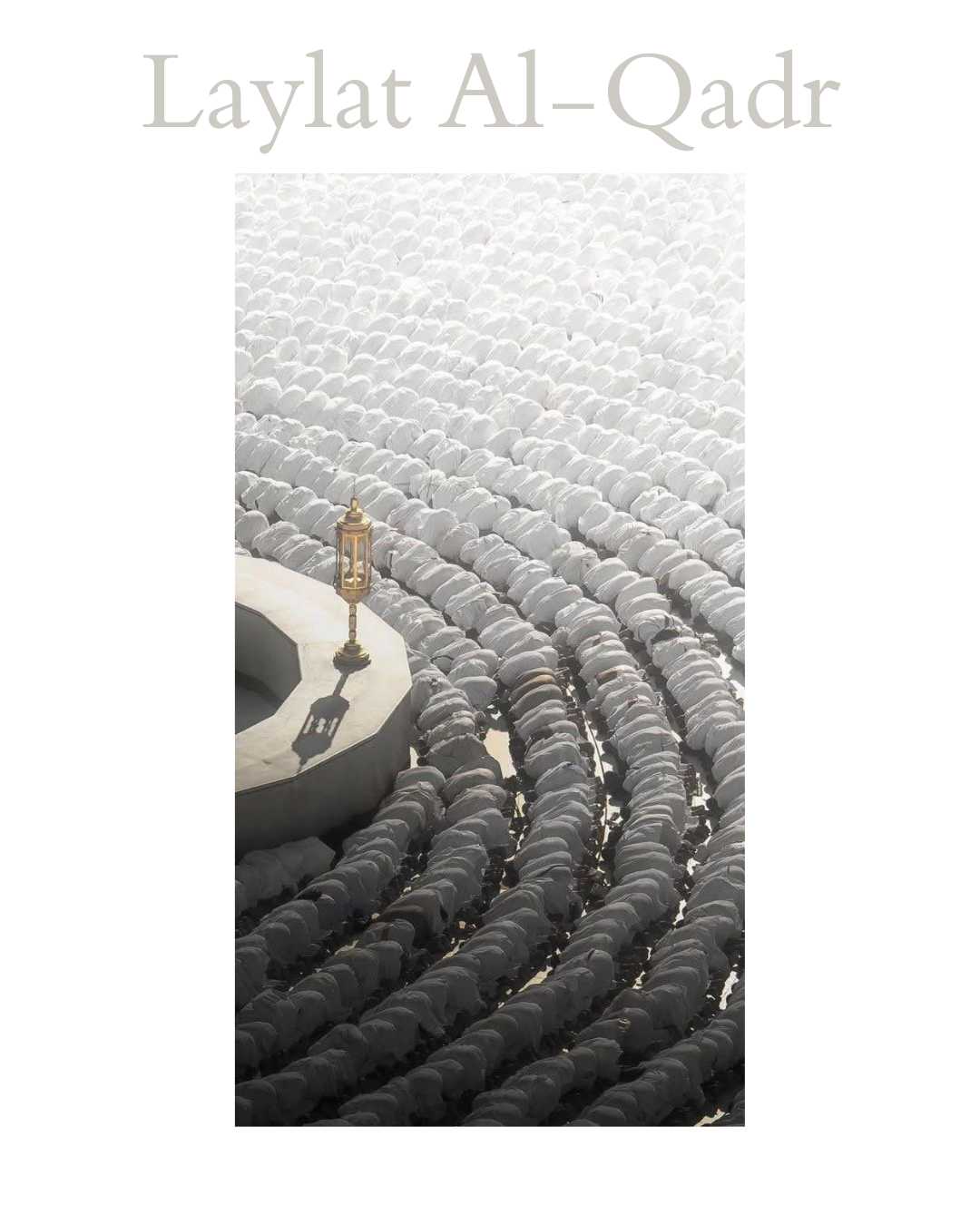
Within Ramadan lies Laylat al-Qadr:
“The Night of Decree is better than a thousand months.”
Surah Al-Qadr (97) verse 3
This night commemorates the descent of revelation and represents the intensification of sacred time.
One night equals a lifetime.
Ramadan opens toward culmination.
Why Ramadan Matters Globally
Ramadan is the largest coordinated act of voluntary restraint in the world.
Across continents:
- Work schedules adjust.
- Mosques fill.
- Charity increases significantly.
- Families reorganize evenings around sunset.
It is spiritual — and structural.
It synchronizes nearly one quarter of humanity around discipline, reflection, and shared rhythm.
From a cave in Arabia emerged a word.
From that word emerged a month.
From that month emerges a civilization — renewed annually.
FAQ
What does “Iqra’” mean?
What does “Iqra’” mean?
“Iqra’” (اقرأ) means “Read” or “Recite.” It was the first word revealed in the Qur’an (Qur’an 96:1).The command signals that Islamic revelation begins with knowledge and reflection. Before law, before governance, before social reform — there was an invitation to read.
Where was the Prophet Muhammad ﷺ when he received the first revelation?
Where was the Prophet Muhammad ﷺ when he received the first revelation?
He was in retreat in the Cave of Hira, outside Mecca, during the month of Ramadan
It was during this period of reflective withdrawal that the Angel Jibril (Gabriel) delivered the first verses (Qur’an 96:1–5), initiating a 23-year period of gradual revelation.
Is fasting during Ramadan one of the Five Pillars of Islam?
Is fasting during Ramadan one of the Five Pillars of Islam?
Yes. Fasting during Ramadan (sawm) is one of the Five Pillars of Islam, which form the foundational framework of Muslim practice.
The Five Pillars are:
- Shahada – Declaration of faith.
- Salat – The five daily prayers.
- Zakat – Obligatory charitable giving.
- Sawm – Fasting during the month of Ramadan.
- Hajj – Pilgrimage to Mecca (for those able).
Because fasting is a pillar, Ramadan is not optional devotional practice. It is a foundational act of worship that shapes Muslim identity across cultures and continents.
How many Muslims fast during Ramadan?
How many Muslims fast during Ramadan?
Fasting during Ramadan is obligatory for adult Muslims who are physically and mentally able.
Today, the global Muslim population is estimated at approximately 1.9 to 2 billion people. While exemptions exist (such as illness, travel, pregnancy, or age), Ramadan remains the largest coordinated act of voluntary fasting in the world.
This global participation reflects the unity of the Ummah.
What does “Ummah” mean?
What does “Ummah” mean?
“Ummah” (أمة) refers to the global community of Muslims.
It is not defined by nationality, language, ethnicity, or geography. It is defined by shared belief and shared ethical framework.
The concept of Ummah explains why Ramadan has such visible global impact: nearly one quarter of humanity enters the same sacred month, structured by the same fast, the same Qur’an, and the same lunar calendar.
Is Ramadan a sacred month?
Is Ramadan a sacred month?
No. Ramadan is a blessed month distinguished by the revelation of the Qur’an (Qur’an 2:185).
It is not one of the four legally designated sacred months mentioned in Qur’an 9:36. Its elevation does not come from legal sanctity but from and practice: fasting, night prayer, reading and reciting the Qur’an and the presence of Laylat al-Qadr, a night better than a thousand months.
Why does Ramadan change dates every year?
Why does Ramadan change dates every year?
Because the Islamic calendar is lunar (354 days), Ramadan shifts approximately 10–11 days earlier each Gregorian year.
Why don’t all Muslims start Ramadan on the same day?
Why don’t all Muslims start Ramadan on the same day?
Differences arise from legitimate scholarly methodologies regarding moon sighting — local versus global confirmation. Both approaches exist within classical Islamic jurisprudence.
Despite minor variations, Muslims worldwide fast the same month with shared intention.
Is Ramadan only about not eating and drinking?
Is Ramadan only about not eating and drinking?
No.
Fasting includes abstaining from food, drink, and intimacy from dawn to sunset. It also includes ethical discipline, refined speech, increased prayer, Qur’anic engagement, and spiritual awareness.
The Qur’an states:
“Fasting is prescribed for you… so that you may attain taqwa (God-consciousness).” (Qur’an 2:183)
Food is the visible layer.
Consciousness is the objective.
Summary
Summary
Ramadan begins at sunset with the sighting of the new crescent moon marking the ninth month of the Islamic lunar calendar. It shifts annually because the lunar year is shorter than the Gregorian year. Differences in start dates stem from recognized jurisprudential approaches to moon sighting. Ramadan is a blessed month distinguished by the revelation of the Qur’an (Qur’an 2:185). The first revelation — “Iqra’” (Qur’an 96:1) — occurred during Ramadan in the Cave of Hira. Ramadan represents a structured recalibration of time, discipline, and global spiritual focus.