In the Islamic world, a dagger was never just a weapon.
It was a language.
A curve of geometry.
A piece of remembrance.
An object that carried identity, discipline, and meaning long before it carried steel.
Across centuries, from Yemen to Oman, from the Maghreb to the Ottoman courts and Mughal India, Muslims crafted daggers that held far more than force. These objects were not designed for excess or intimidation. They were designed with measure.
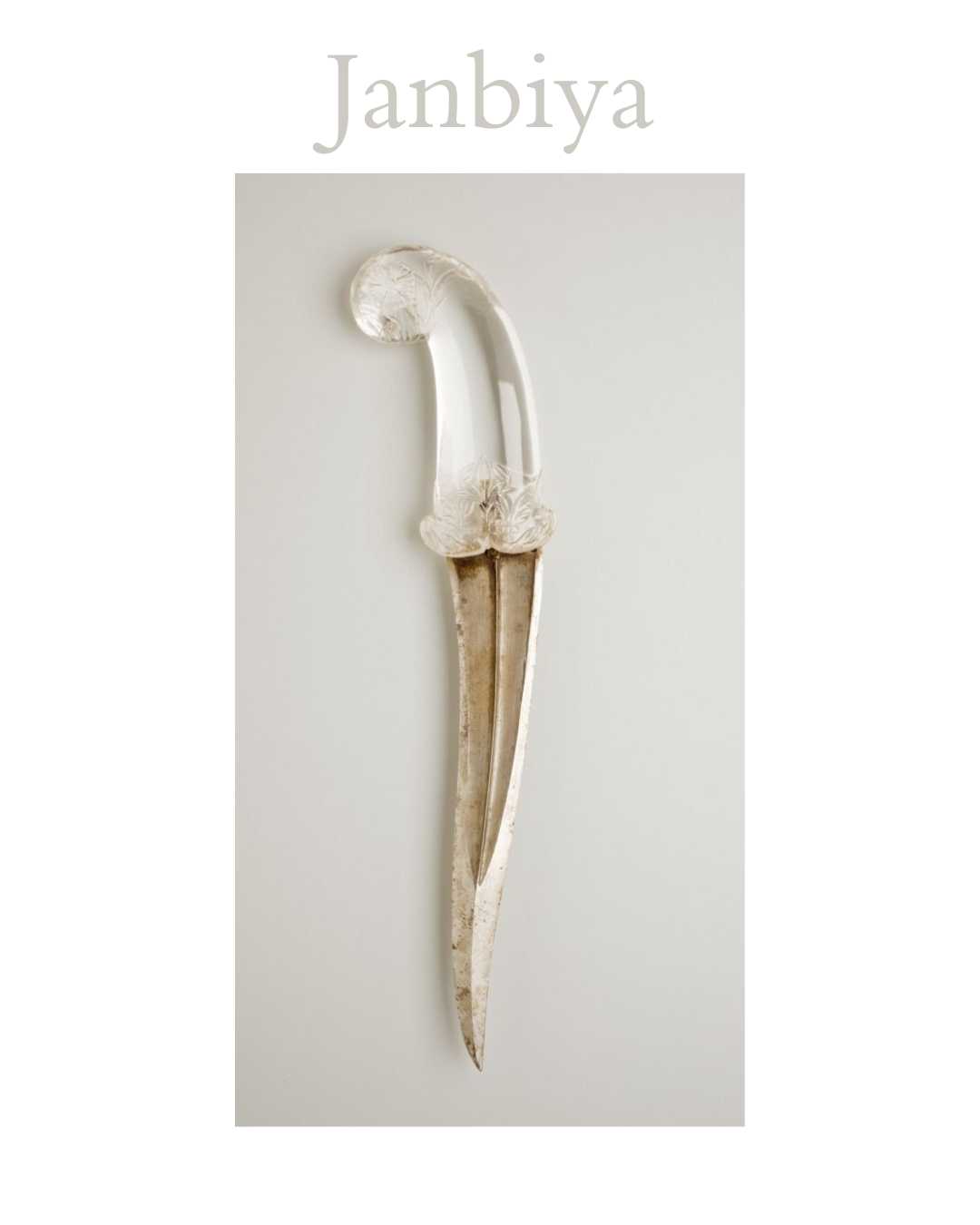
Some janbiyahs carried the Name of Allah ﷻ, engraved with meticulous calligraphy.
Some bore the Shahada — lā ilāha illā Allah — woven into silver.
Some held verses of protection, etched with a steady, intentional hand.
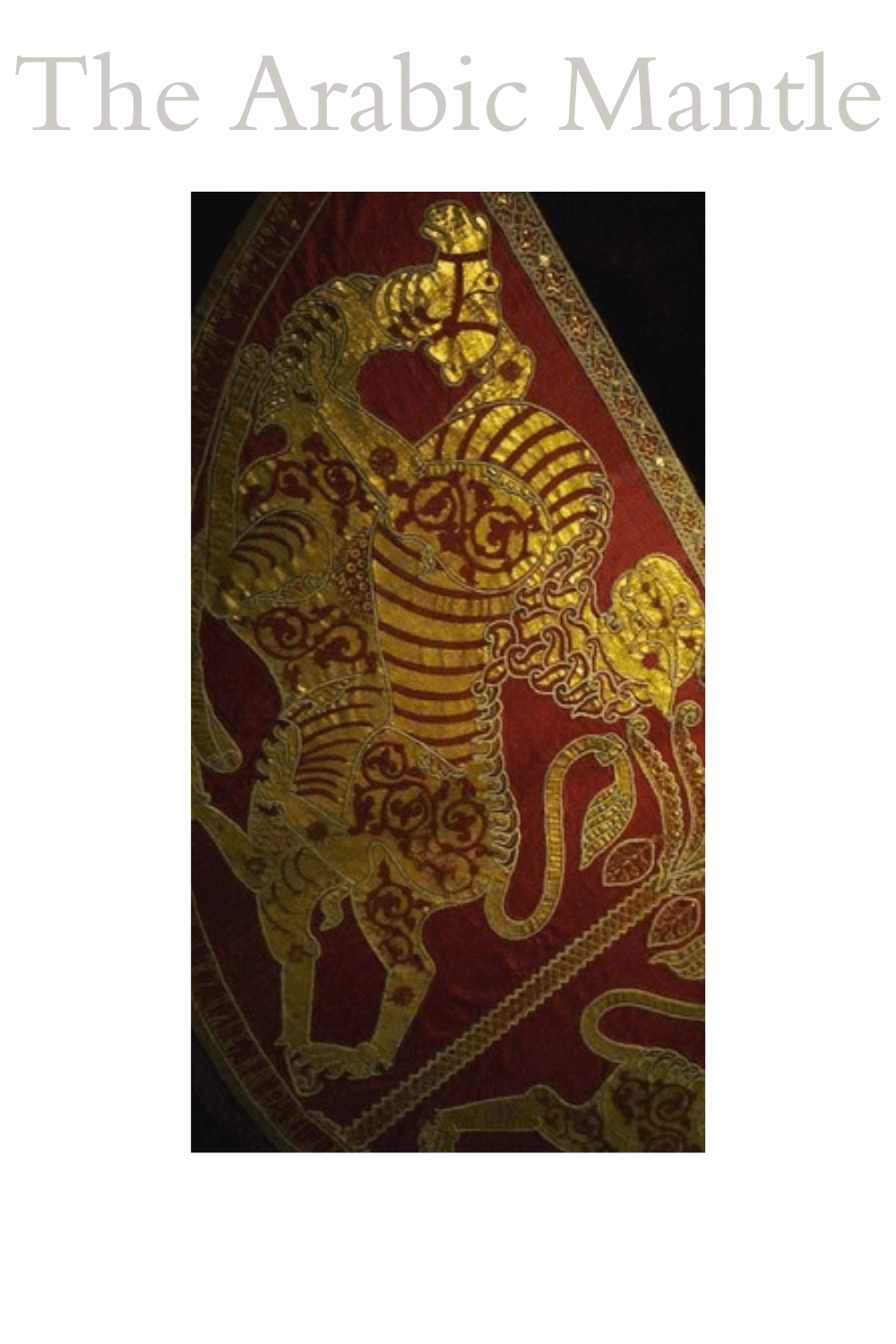
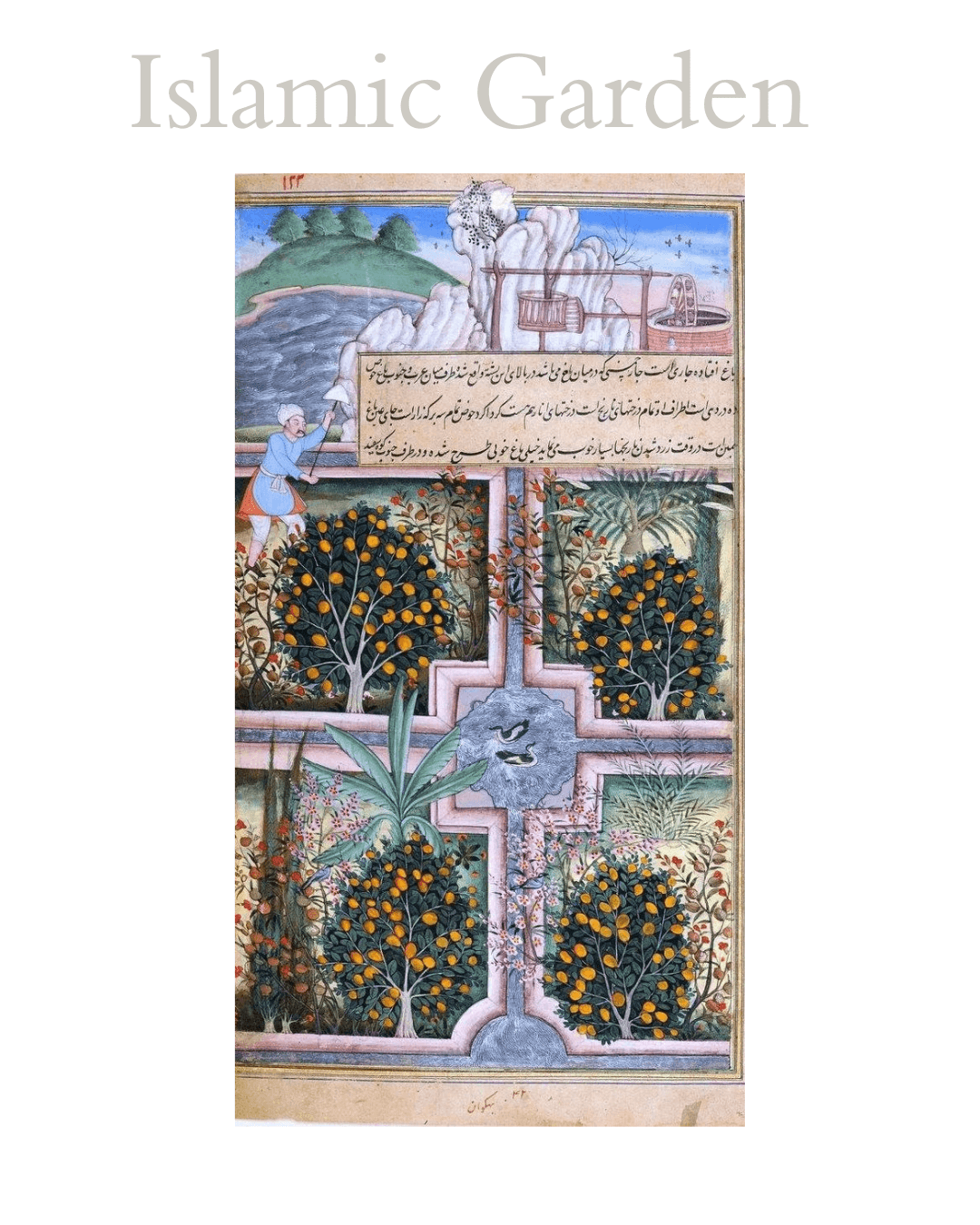
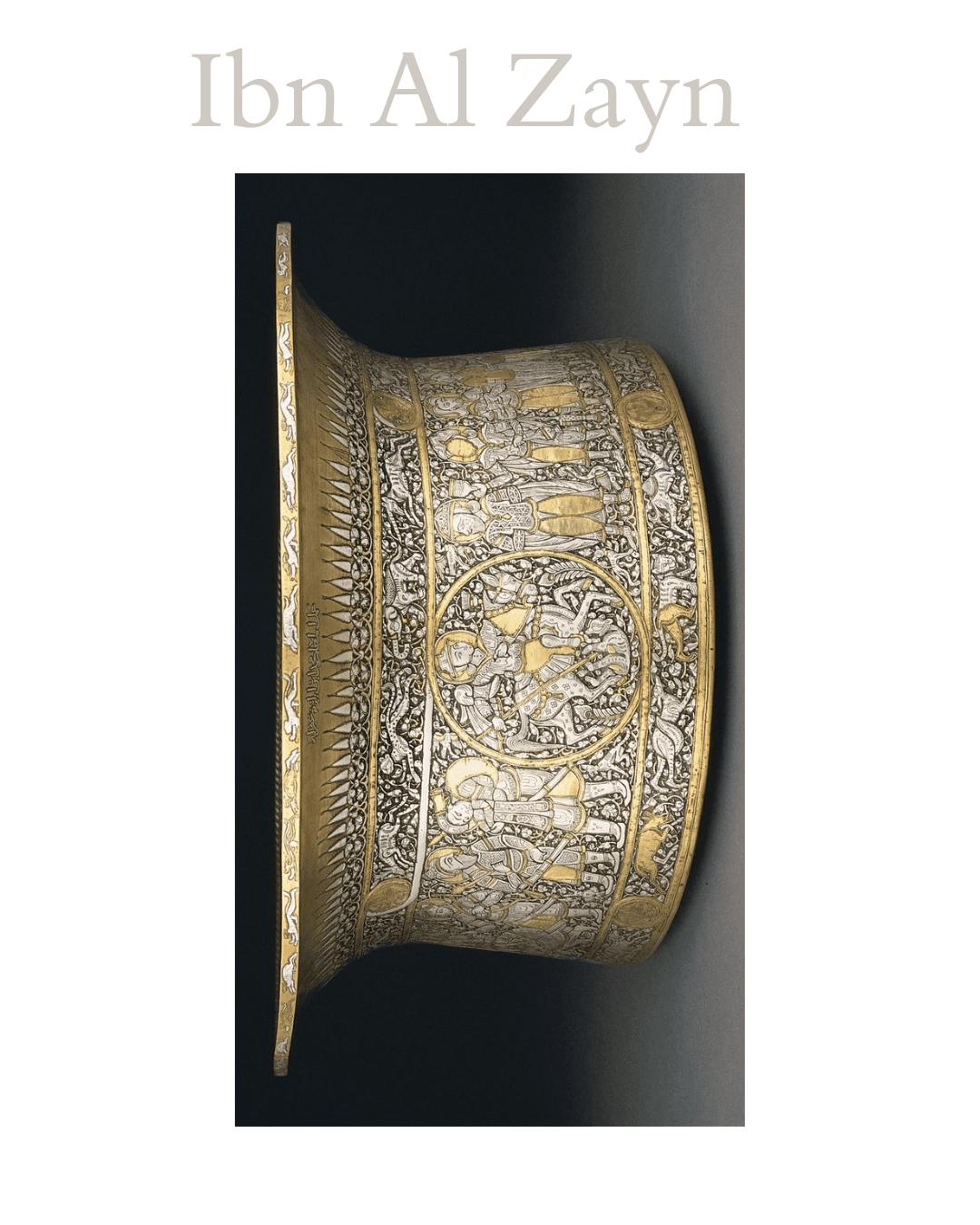
Just as mosques, madrasas, palaces, and the walls of the Alhambra were adorned with words of remembrance, everyday and ceremonial objects carried the same depth, discipline, and aesthetic intelligence.
Because in Islamic civilization, beauty was never just decoration.
Beauty was precision.
Beauty was responsibility.
Beauty was a mirror of the inner world.
An Object That Thinks
To look closely at a Janbiya is to understand something essential about Islamic culture.
The curve of an Omani Khanjar is architecture in motion.
The silver filigree of a Yemeni Janbiya echoes the geometry of illuminated manuscripts.
A Mughal dagger carved from jade or crystal brings together astronomy, mathematics, metallurgy, and poetry woven into a single object.
This was not ornamentation for its own sake.
It was knowledge made tangible.
A dagger in this world was not merely held.
It was understood.
Discipline, Not Spectacle
The Janbiya was worn close to the body, not raised for display.
Its presence was symbolic before it was practical.
It spoke of restraint.
Of self-control.
Of the idea that strength is governed by ethics.
In a civilization where the inner life shaped the outer form, objects were entrusted with meaning. They reminded the one who carried them of who they were expected to be.
Why the Janbiya Still Speaks Today
Perhaps this is why the Janbiya strikes so deeply today.
We live in a time when words are distorted, when Muslim identity is often reduced to a headline, a fear, or a simplification.
A time when many forget the refinement, the intelligence, the aesthetic and scientific sophistication of the world we come from.
And yet, heritage has a way of expanding the soul again.
One look at this craftsmanship, at this curve, this symmetry, this remembrance engraved in metal and something returns.
You recall what the world tries to make you forget,
Ignorance may be loud.
But legacy is louder.
A Timeless Intelligence
This is the intelligence our ancestors carried.
This is the elegance they lived with.
This is the discipline that shaped our aesthetics, our sciences, our architecture, our objects—yes, even our blades.
Not to glorify violence,
but to affirm meaning.
Not to romanticize the past,
but to recognize a timeless way of being.
The Janbiya is not about what it could do.
It is about what it represented.
And that is why it belongs, not behind glass alone but within a living conversation about who we are.
This is what we come from.
This is what shaped our way of seeing the world.
This is our Timeless Legacy.